
 Posted by
 The accident happened in a split second. A car ran a red light, and I could not get out of the way. I walked away with bruises, but my mind did not. I could not stop replaying the moment of impact. I jumped at every screeching tire. I could not sleep because the images would invade my dreams. I avoided intersections. I stopped driving. I thought I was losing my mind.
I was not losing my mind. I was experiencing post-traumatic stress disorder.
PTSD is a mental health condition triggered by experiencing or witnessing a terrifying event. The symptoms are the mind’s attempt to process what happened, but they can become stuck, preventing the brain from moving the memory into the past where it belongs. Symptoms include intrusive memories, flashbacks, nightmares, avoidance of reminders, negative changes in mood and cognition, and hyperarousal, being constantly on edge.
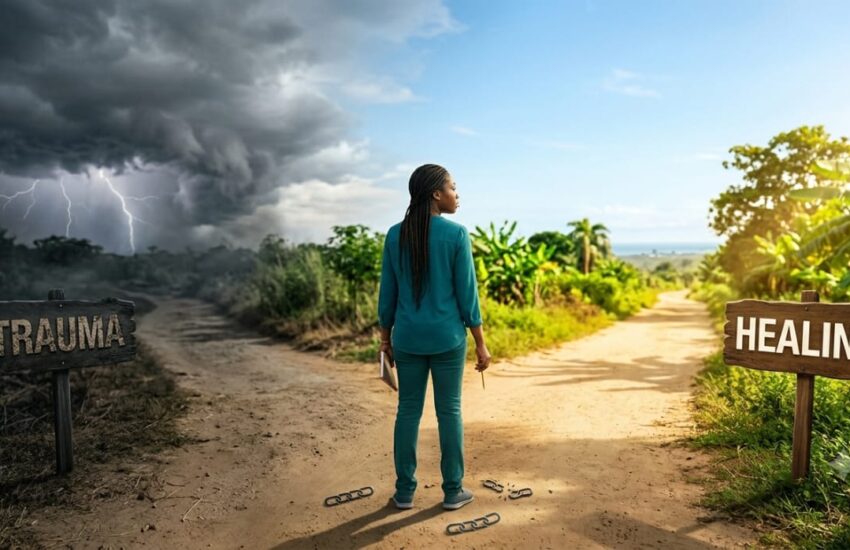
The first step toward recovery was understanding that my symptoms were not a sign of weakness. They were a normal response to an abnormal event. My brain was trying to protect me, but its alarm system had become overactive. That knowledge removed some of the shame I had been carrying.
The second step was seeking professional help. Prolonged exposure therapy helped me confront the memories I had been avoiding. I worked with my therapist to recount the accident in detail, over and over, until the memory started to lose its power. It was painful, but it worked. I also learned to process the emotions attached to the memory, fear, helplessness, anger, rather than suppressing them. That processing was essential to healing.
One of the most effective treatments for PTSD is trauma-focused cognitive-behavioral therapy. Trauma-focused CBT helps individuals understand the connections between thoughts, feelings, and behaviors, and learn skills to manage distressing symptoms. Research shows that CBT is highly effective in reducing PTSD symptoms. I learned to identify the thoughts that triggered my anxiety and to replace them with more realistic ones. “I am not safe on the road” became “I was in an accident, but statistically, I am safe.”
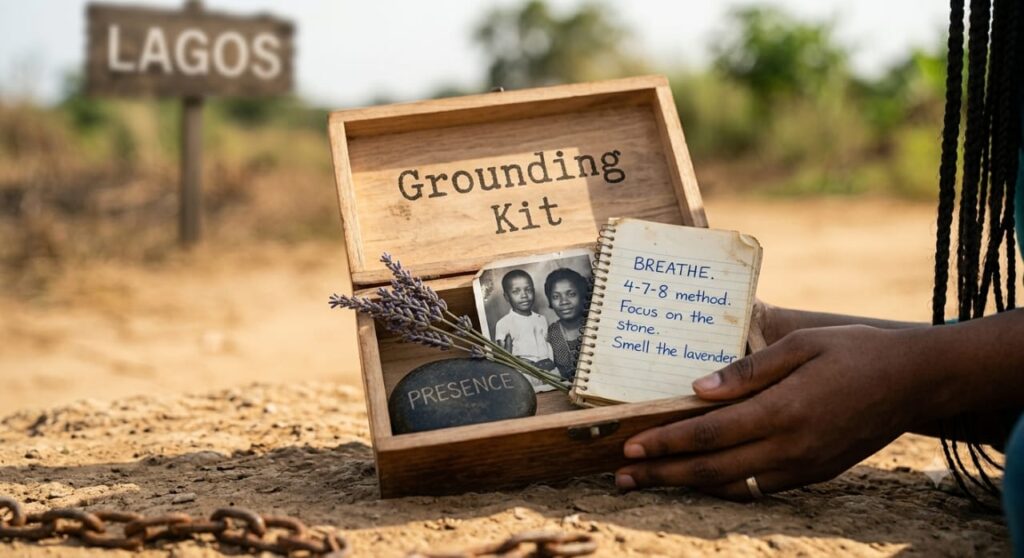
In addition to therapy, I practiced grounding techniques daily. When the flashbacks came, I would name five things I could see, four I could touch, three I could hear, two I could smell, and one I could taste. I learned to breathe deeply and slowly to calm my nervous system. I also developed a self-soothing box with comforting items I could touch and smell.
Support groups were another lifeline. I found connection with people who understood what I was experiencing. They did not judge me or try to minimize my pain. They shared their own struggles and their own paths toward recovery. I realized I was not alone.
If you are experiencing symptoms of PTSD, please know that you are not broken and you are not weak. PTSD is treatable, and recovery is possible. You do not have to suffer in silence. Reach out to a mental health professional, a support group, or a trusted friend. The hardest step is the first one, but it is the step that leads to healing.
There is so much more to learn about trauma and recovery. Our website is filled with articles on PTSD, trauma therapy, and building resilience. Head over and explore, because the past does not have to define your future.
References
Schrader, C., & colleagues. (2021). *A review of PTSD and current treatment strategies*. *Missouri Medicine, 118*(6), 546–551. https://pmc.ncbi.nlm.nih.gov/articles/PMC8501326/
Torrico, T. J., et al. (2024, February 24). *Posttraumatic stress disorder*. In *StatPearls*. NCBI Bookshelf. https://www.ncbi.nlm.nih.gov/books/NBK430973/
Bisson, J. I. (2015). *Post-traumatic stress disorder*. *BMJ, 351*, h6161. https://pmc.ncbi.nlm.nih.gov/articles/PMC4663500/
National Institute of Mental Health. (n.d.). *Post-traumatic stress disorder*. https://www.nimh.nih.gov/health/topics/post-traumatic-stress-disorder-ptsd
U.S. Department of Veterans Affairs, National Center for PTSD. (n.d.). *PTSD: National Center for PTSD*. https://www.ptsd.va.gov/
Substance Abuse and Mental Health Services Administration. (n.d.). *National Helpline for mental health, drug, and alcohol issues*. https://www.samhsa.gov/find-help/national-helpline