
Psychodynamic play therapy helps children express unconscious feelings through play. Learn how this approach uncovers what a child cannot yet say in words.
Continue reading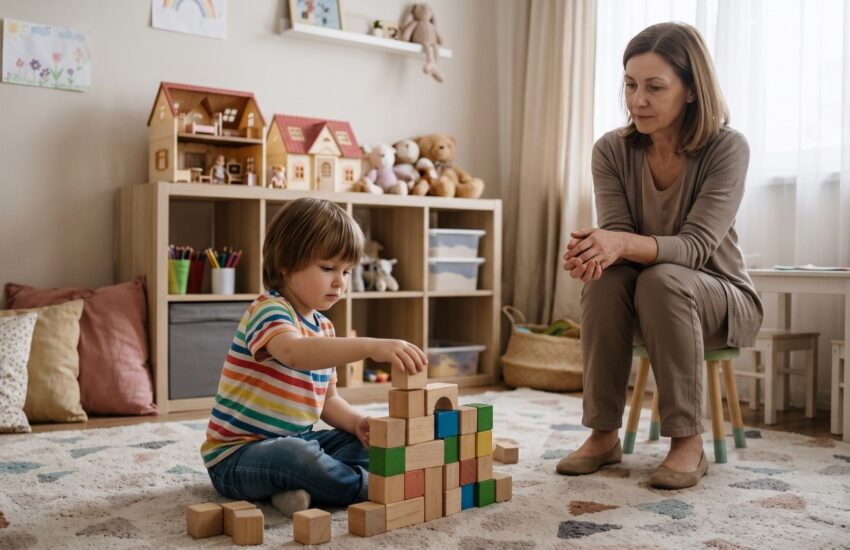
Psychodynamic play therapy helps children express unconscious feelings through play. Learn how this approach uncovers what a child cannot yet say in words.
Continue reading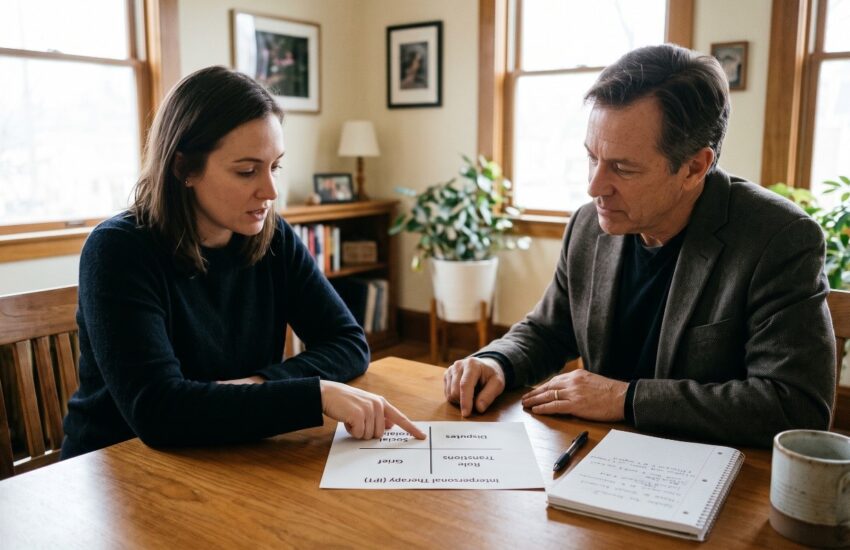
Interpersonal psychotherapy for depression focuses on relationships and life transitions. Learn how IPT helps people recover by addressing the connections that shape mood.
Continue reading
Horticultural therapy uses gardening and plant care to ease depression. Learn how soil, sunlight, and living things restore mood and meaning.
Continue reading
Integrative Behavioral Couples Therapy helps partners accept differences while making meaningful changes. Learn how this evidence-based approach transforms conflict into connection.
Continue reading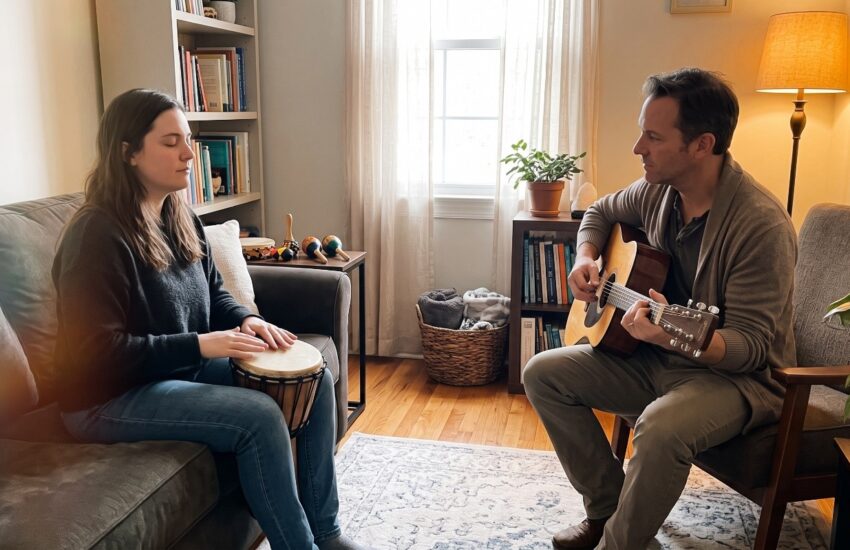
Music therapy for anxiety uses rhythm, melody, and sound to calm the nervous system. Learn how it works and why it is more than just listening to relaxing songs.
Continue reading
Dance/movement therapy for trauma helps survivors heal through the body when words are not enough. Learn how movement restores safety, control, and connection.
Continue reading
Functional Family Therapy helps families break negative cycles and rebuild trust. Learn how this evidence-based approach transforms communication and behavior.
Continue reading
Autism spectrum disorder is a lifelong developmental condition, not a disease. Learn how to recognize the signs, understand the spectrum, and support autistic individuals with dignity.
Continue reading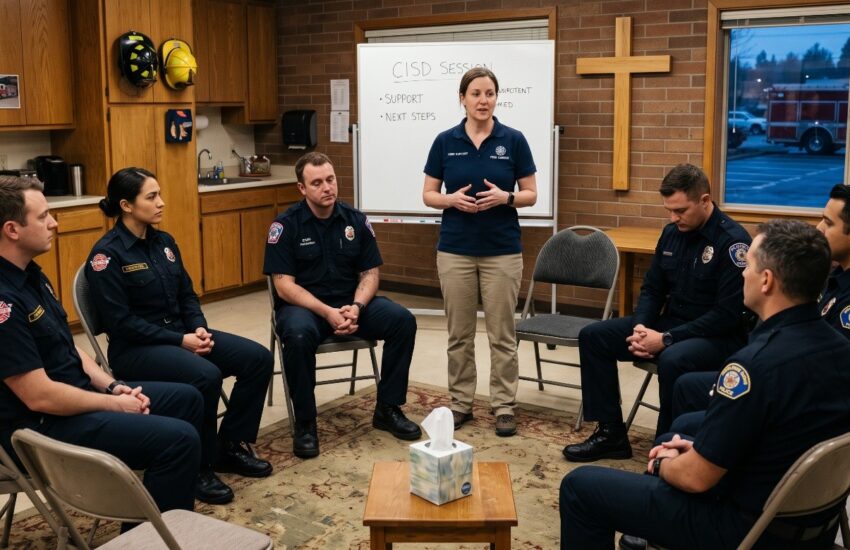
Critical Incident Stress Management helps people recover from traumatic workplace events. Learn how this structured approach prevents long-term harm and builds resilience.
Continue reading
Collaborative Problem Solving helps adults and children solve problems together instead of battling over behavior. Learn how this evidence-based approach reduces conflict and builds skills.
Continue reading