
 Posted by
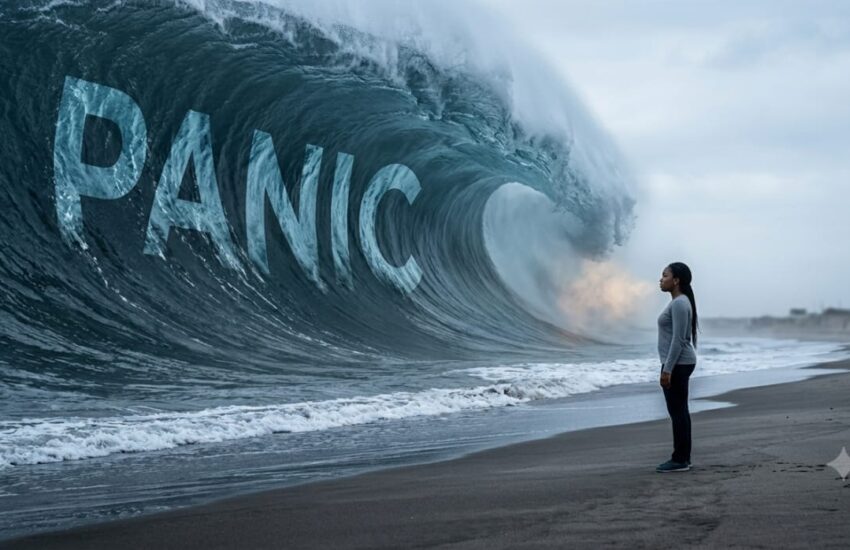
 The first time it happened, I thought I was dying. My heart pounded so hard it felt like it would burst. I could not breathe. My hands tingled and went numb. The room spun. My legs could not hold me. I was certain this was the end. I called an ambulance, convinced I was having a heart attack. The doctors ran tests. Everything was normal. “It was a panic attack,” they said. I was relieved, but I was also terrified. If that could happen to me when I was fine, what would stop it from happening again?
That fear was the beginning of panic disorder. A panic attack is a sudden episode of intense fear that triggers severe physical reactions even when there is no real danger. Panic disorder is when those attacks become recurrent and you live in constant fear of the next one. I was not just having panic attacks. I was having panic attacks about having panic attacks. My world shrank to the size of my safety zone. I stopped driving on highways. I stopped going to crowded places. I stopped leaving my house unless absolutely necessary.
The first step toward recovery was understanding what was happening to my body. A panic attack activates the fight-or-flight response, flooding the body with adrenaline and cortisol. My heart rate spiked. My breathing quickened. My muscles tensed. My brain, interpreting these sensations as signs of imminent danger, sent more alarm signals. I was stuck in a feedback loop. I was not going crazy. I was having a normal physiological response to a false alarm. That knowledge did not stop the attacks, but it removed the fear that I was losing my mind.
Cognitive-behavioral therapy was the most effective treatment for me. CBT taught me to identify the thoughts that triggered my panic. The thought was not “I am having a panic attack.” It was “I cannot handle this, and I am going to die.” The thought was catastrophic, and the body responded accordingly. I learned to challenge those thoughts. “I have survived every panic attack I have ever had.” “These sensations are uncomfortable, but they are not dangerous.” “This will pass.” Those statements became my anchor.
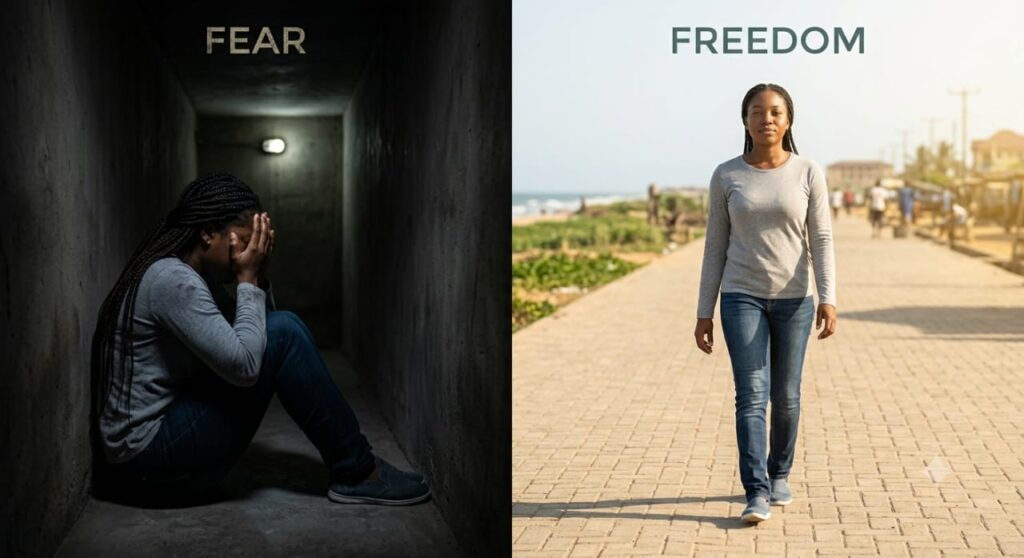
Exposure therapy was harder but essential. I had to face the situations I was avoiding. I started small, driving to the end of my street, then a few blocks, then a mile. I practiced being in crowded stores for five minutes, then ten, then twenty. Each exposure was uncomfortable, and some triggered attacks. But each one also built evidence that I could survive it. The fear began to lose its power.
Breathing techniques were my lifeline during acute attacks. I learned to breathe in for four seconds, hold for four, exhale for four, hold for four, box breathing. It sounds simple, but it regulated my nervous system and gave me something to focus on besides the fear. I also practiced grounding exercises: naming five things I could see, four I could touch, three I could hear, two I could smell, one I could taste. These anchors brought me back to the present moment and away from the catastrophe my mind was constructing.
Medication was part of my treatment. A selective serotonin reuptake inhibitor reduced the frequency and intensity of my attacks. It did not cure the disorder, but it gave me the stability I needed to engage in therapy effectively. I had been hesitant to take medication, fearing it would change who I was. It did not. It allowed me to become who I was without the constant noise of fear.
I also learned to accept that recovery is not linear. I had setbacks. I had attacks when I least expected them. Each time, I wanted to give up. But my therapist reminded me that progress is not a straight line. The goal is not to eliminate panic attacks completely. The goal is to stop living in fear of them. I learned to say, “I might have a panic attack, and I can handle it if I do.” That shift from avoidance to acceptance was everything.
If you are living with panic disorder, please know that you are not broken and you are not alone. Panic disorder is highly treatable. The right combination of therapy, medication, and self-care can help you reclaim your life. The fear feels permanent, but it is not. The attacks feel insurmountable, but they are not.
There is so much more to learn about panic disorder and recovery. Our website is filled with articles on CBT, exposure therapy, and managing anxiety. Head over and explore, because you can get your life back.
References
Mayo Clinic. (2026, March 13). *Panic attacks and panic disorder: Symptoms and causes*.
Mayo Clinic. (2026, March 13). *Panic attacks and panic disorder: Diagnosis and treatment*.
MedlinePlus. (2024, April 4). *Panic disorder*.
National Institute of Mental Health. (2022, March 29). *Panic disorder: The symptoms*.
StatPearls. (2023, August 5). *Panic disorder*. NCBI Bookshelf.