
 Posted by
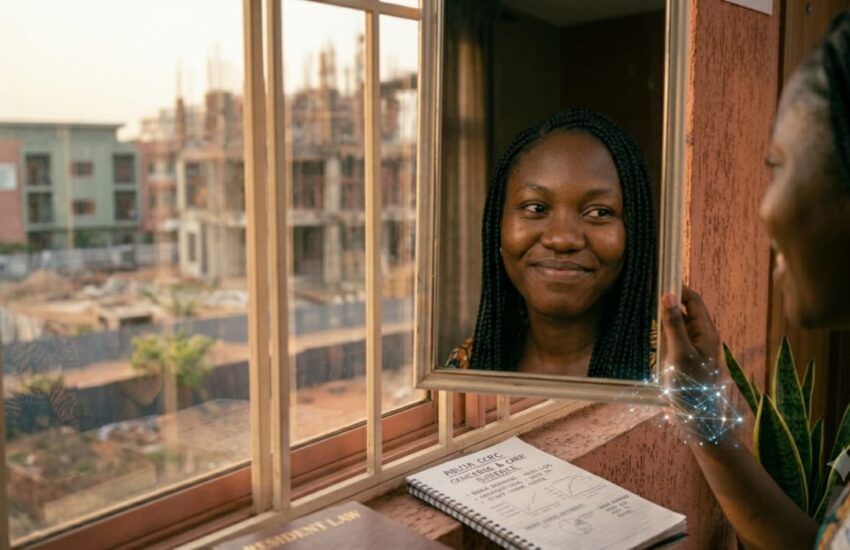
 I grew up knowing something was wrong. I did not know what to call it. I looked in the mirror and saw a stranger. I answered to a name that never felt like mine. I wore clothes that felt like costumes. I moved through the world with a constant, low-grade hum of discomfort that I could not explain. I thought everyone felt this way. I thought everyone faked their way through life, pretending to be something they were not. I did not have a word for what I was experiencing until I was in my twenties. That word was “gender dysphoria.”
Gender dysphoria is the psychological distress that results from an incongruence between one’s assigned sex at birth and one’s gender identity. It is not a mental illness. It is a condition of suffering that arises when the body does not match the internal sense of self. The distress can be mild or severe. It can show up early in childhood or later in life. It can be constant or intermittent. For me, it was a persistent, aching sense of wrongness that I could not shake.
The first time I heard someone describe gender dysphoria, I cried. I had never heard my experience put into words. It was like someone had reached into my chest and pulled out the thing I had been carrying alone for years. That relief was followed by fear. What did this mean? What would I do about it? Was I the only one?
I learned that the journey is different for everyone. Some people transition medically. Some socially. Some do not transition at all. There is no one right way to be transgender. There is only the way that alleviates your suffering and brings you closer to alignment. For me, that meant starting hormone replacement therapy. For my friend, it meant changing their name and pronouns but not their body. Both paths were valid.
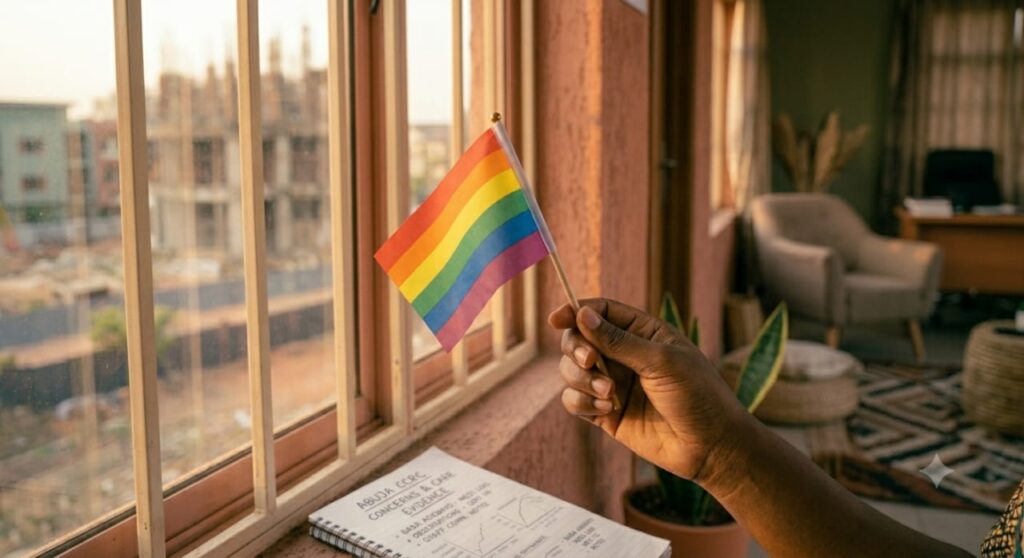
The diagnosis of gender dysphoria is not a label to be feared. It is a key that unlocks access to care. Without a formal diagnosis, many insurance companies will not cover hormone therapy, surgery, or mental health support. It is a clinical tool, not a judgment on who you are. A competent therapist can help you explore your feelings, clarify your identity, and make a plan that works for you.
The medical and social aspects of transition are significant, but the internal shift is more important. I spent years hiding, lying, and performing a version of myself that was acceptable to others. That performance was exhausting. When I finally started living as myself, the sense of relief was overwhelming. I could breathe. I could laugh without forcing it. I could look in the mirror and see someone I recognized.
I learned that support matters. Transitioning can be isolating, especially if family and friends are not accepting. I joined a support group for transgender and nonbinary people. I saw people who had walked the same path and were thriving. They were not miserable. They were not broken. They were whole. That gave me hope.
I also learned to advocate for myself in medical settings. Not all doctors understand gender-affirming care. I learned to ask questions, research providers, and seek out specialists who had experience with transgender patients. I found a primary care doctor who listened. I found an endocrinologist who understood hormone therapy. I found a therapist who did not pathologize my identity. These people were essential to my journey.
The legal side was another layer. I changed my name and gender marker on my identification. That process varied by state and took time, patience, and money. But having documents that reflected who I was gave me a sense of legitimacy I had never felt before. I also learned that dysphoria does not always disappear. Some days it is quiet. Some days it is loud. But it is no longer constant, and it no longer controls me. I have days now where I simply exist without thinking about my body at all. That was impossible before.
If you are questioning your gender identity, you are not alone. There are resources, communities, and professionals who can help you navigate this. The Trevor Project, the Human Rights Campaign, and local LGBTQ+ centers offer support. You do not have to figure this out alone. You do not have to have all the answers right now.
And if you are a parent, friend, or ally, the most important thing you can do is listen. Believe what your loved one tells you about their identity. Use their name and pronouns. Stand with them when others do not. Your support can be the difference between isolation and connection.
There is so much more to learn about gender identity and affirming care. Our website is filled with articles on gender dysphoria, transitioning, and finding the right support. Head over and explore, because everyone deserves to live authentically and to be seen for who they truly are.
References
American Psychiatric Association. (n.d.). *What is gender dysphoria?* https://www.psychiatry.org/patients-families/gender-dysphoria/what-is-gender-dysphoria
Mayo Clinic. (2024, December 31). *Gender dysphoria – Symptoms and causes*. https://www.mayoclinic.org/diseases-conditions/gender-dysphoria/symptoms-causes/syc-20475255
National Health Service. (2026, June 8). *Gender dysphoria and incongruence*. https://www.nhs.uk/conditions/gender-dysphoria-and-incongruence/
MedlinePlus. (n.d.). *Gender dysphoria: MedlinePlus medical encyclopedia*. https://medlineplus.gov/ency/article/001527.htm
StatPearls. (2023, July 10). *Gender dysphoria*. NCBI Bookshelf. https://www.ncbi.nlm.nih.gov/books/NBK532313/