
 Posted by
 I used to believe that change came from people with power, influence, and titles. I was just one person, and one person could not move mountains. I stayed silent in meetings where I disagreed. I did not speak up when I saw injustice. I convinced myself that my voice did not matter.
Then my mother entered a nursing home, and I could no longer stay silent. The care she received was inconsistent. Her dignity was often ignored. I saw other residents left alone, confused, and neglected. I could not fix everything, but I could speak. And when I spoke, I learned that my voice carried more weight than I had ever imagined.
Empowerment is the process of becoming stronger and more confident in controlling your life and claiming your rights. It starts with believing that your voice matters. Advocacy is putting that belief into action. It is using your voice to speak up for yourself or others. Together, they form the foundation of meaningful change.
The first step was believing I had the right to speak. I had been socialized to defer to experts, trust authority, and avoid conflict. That conditioning had kept me small and quiet. I had to unlearn it. I was the expert on my mother. I knew what she needed. I had the right to ask for better care, even if it made people uncomfortable. That realization was uncomfortable for me too. But it was also liberating.
I started small. I asked a nurse to explain a medication change. I asked the nursing director why my mother’s call light was being ignored. I asked for a care conference when I noticed her weight loss. Each question felt like a confrontation, but each question also created accountability. The staff began to see me as someone who paid attention, someone who would not let things slide.

I also started documenting everything. Dates, times, conversations, observations. When I had to escalate a concern to the administrator or the state ombudsman, I had a record that could not be dismissed. Documentation was not just evidence. It was power. It transformed my complaints from opinions into facts.
I learned that advocacy is not always about confrontation. Sometimes it is about collaboration. I approached staff as partners, not adversaries. I asked questions instead of making accusations. I expressed appreciation for what they did well before I raised concerns. That approach did not always work, but it often opened doors that accusations would have slammed shut.
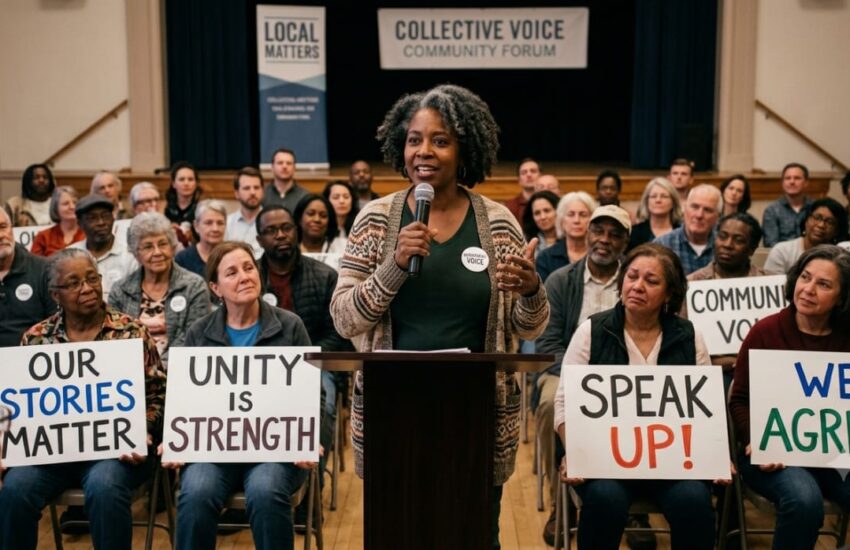
Over time, I joined a family council at the nursing home. I connected with other families who had similar concerns. Together, we were louder than I could ever be alone. We asked for better staffing, improved food quality, and more meaningful activities. The administration listened because we represented a united voice. I learned that advocacy is not a solo sport. It is a team effort. Isolation is the enemy of justice. Collective action is its ally.
I also learned to advocate for myself. In my career, I had accepted low offers, tolerated disrespect, and stayed in situations that did not serve me because I was afraid to ask for more. Advocacy taught me to value my own worth. I started negotiating. I set boundaries. I walked away from relationships and jobs that diminished me. Empowerment was not just about helping others. It was about honoring myself.
The most important lesson I learned was that advocacy is not about being loud or aggressive. It is about being clear, persistent, and strategic. It is knowing what you want, why you want it, and who has the power to give it to you. It is building allies, gathering evidence, and communicating in a way that invites cooperation rather than resistance.
Empowerment and advocacy are not abstract ideals. They are daily practices. They are asking for a copy of your medical records. They are speaking up when a colleague takes credit for your work. They are voting, volunteering, and showing up for causes that matter. They are refusing to be invisible.
I still struggle sometimes. I still hesitate before speaking up. I still fear rejection and retaliation. But I have a track record now. I have seen that my voice can change things. I have seen that silence is the only real failure. Speaking up, even imperfectly, is always better than staying silent.
You do not need to be an expert to advocate. You do not need to be powerful or wealthy. You just need to care enough to say something. And then say it again. And then invite someone else to say it with you. That is how change happens. Not through grand gestures, but through ordinary people refusing to stay quiet.
There is so much more to learn about finding your voice and making a difference. Our website is filled with articles on advocacy strategies, self-advocacy, and building community. Head over and explore, because the world changes when people who care refuse to stay silent.
References
Margo James Funds. (n.d.). *Advocacy and empowerment*. https://margojamesfunds.org/advocacy-and-empowerment/
National Disability Training Initiative. (2025, September 11). *Empowerment in independent advocacy* by Peter Irvine. https://www.ndti.org.uk/resource/empowerment-in-independent-advocacy-by-peter-irvine/
SlideShare. (2023, May 31). *Empowerment and advocacy presentation
SlideShare. (2023, July 3). *CESC-PPT-7A*.
Scribd. (2025, April 19). *Empowerment and advocacy overview