

 Posted by
 I used to think pain was simple. You get hurt, it hurts, it heals. But when my back pain persisted long after the initial injury, I began to understand a different reality. Chronic pain is not just an extended version of acute pain. It is a complex condition that affects the nervous system, the brain, and the emotional landscape. The pain becomes a part of your life, and the way you respond to it can either amplify it or help you manage it.
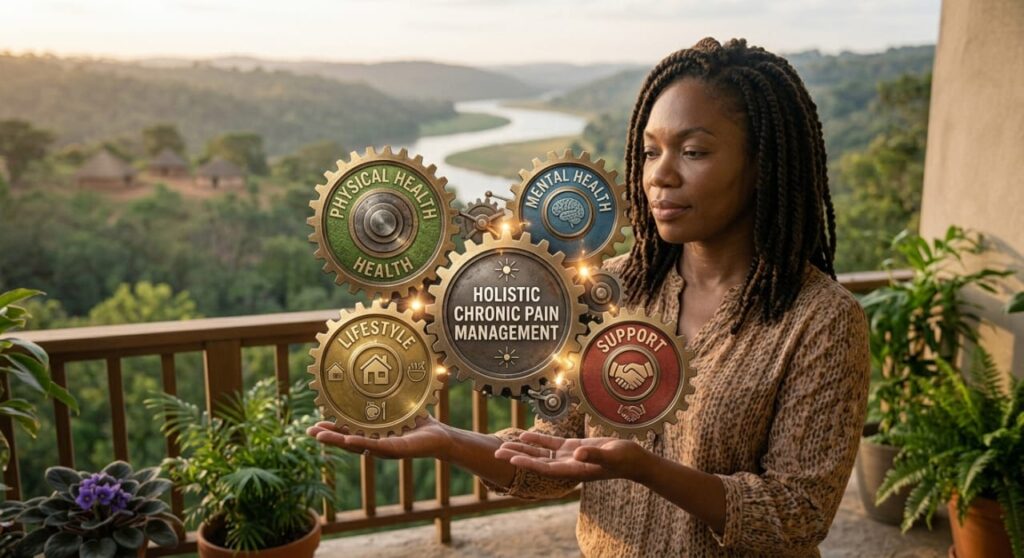
Chronic pain is defined as pain that lasts for more than three months, often continuing even after the initial injury has healed. It can be mild or severe, constant or intermittent. It can affect any part of the body and often accompanies conditions like arthritis, fibromyalgia, nerve damage, and back problems. But chronic pain is not just a physical issue; it is influenced by psychological, social, and environmental factors. This is why a holistic, multidisciplinary approach is often the most effective way to manage it.
The first thing I learned is that my response to pain matters. When I first developed chronic pain, I was terrified. I thought something was seriously wrong with me. I became hypervigilant, constantly scanning my body for signs of danger. That vigilance made me anxious, and the anxiety made my pain worse. I was stuck in a feedback loop that felt impossible to break.
The second thing I learned is that medication is often not the only answer. I tried everything, from over-the-counter pain relievers to prescription opioids. Some helped temporarily, but none provided lasting relief. I learned to view medication as one tool among many, not the primary solution.
The third thing I learned is that movement is essential. When I was in pain, I wanted to stay still. I thought rest would help. But prolonged inactivity actually weakened my muscles and increased my pain. Physical therapy helped me strengthen the muscles that support my back and improve my flexibility. I learned to move in ways that were gentle and sustainable. It was not easy at first, but over time, my pain began to decrease.
The fourth thing I learned is that stress management is a key component of pain management. Stress triggers the release of cortisol and adrenaline, which can increase inflammation and amplify pain. I learned to incorporate relaxation techniques into my daily routine, including deep breathing, meditation, and guided imagery. These practices helped calm my nervous system and reduce my perception of pain.
The fifth thing I learned is that sleep is essential. Chronic pain and poor sleep are deeply connected. I learned to prioritize sleep hygiene, including establishing a regular sleep schedule, creating a comfortable sleep environment, and avoiding screens before bed.
The sixth thing I learned is that social support is important. Chronic pain can be isolating, but isolation makes it worse. I learned to connect with others who understand what it is like to live with persistent pain. I found support groups online and shared my experience with trusted friends and family.
The seventh thing I learned is that pacing is essential. I learned to balance activity with rest to avoid overdoing it.
If you are living with chronic pain, know that you are not alone and you are not broken. The pain is real, and it is hard. But there is hope. A comprehensive approach that addresses the whole person, mind, body, and lifestyle, can help you regain control of your life.
There is so much more to learn about managing chronic pain. Our website is filled with articles on holistic approaches, pain psychology, and practical strategies. Head over and explore, because you deserve to live a full life, even with pain.
References
Treede, R.-D., Rief, W., Barke, A., Aziz, Q., Bennett, M. I., Benoliel, R., Cohen, M., Evers, S., Finnerup, N. B., First, M. B., Giamberardino, M. A., Kaasa, S., Kosek, E., Lavand’homme, P., Nicholas, M., Perrot, S., Scholz, J., Schug, S., Smith, B. H., Svensson, P., & Wang, S.-J. (2019). Chronic pain as a symptom or a disease: The IASP Classification of Chronic Pain for the International Classification of Diseases (ICD-11). *Pain, 160*(1), 19–27.
Nicholas, M., Vlaeyen, J. W. S., Rief, W., Barke, A., Aziz, Q., Benoliel, R., Cohen, M., Evers, S., Giamberardino, M. A., Goebel, A., Korwisi, B., Perrot, S., Svensson, P., Wang, S.-J., & Treede, R.-D. (2019). The IASP classification of chronic pain for ICD-11: Chronic primary pain. *Pain, 160*(1), 28–37.
Dowell, D., Ragan, K. R., Jones, C. M., Baldwin, G. T., & Chou, R. (2022). CDC clinical practice guideline for prescribing opioids for pain—United States, 2022. *MMWR Recommendations and Reports, 71*(3), 1–95. https://doi.org/10.15585/mmwr.rr7103a1
World Health Organization. (2023). *WHO guideline for non-surgical management of chronic primary low back pain in adults in primary and community care settings*. World Health Organization.
National Institute for Health and Care Excellence. (2021). *Chronic pain (primary and secondary) in over 16s: Assessment of all chronic pain and management of chronic primary pain (NG193).* https://www.nice.org.uk/guidance/ng193