
 Posted by
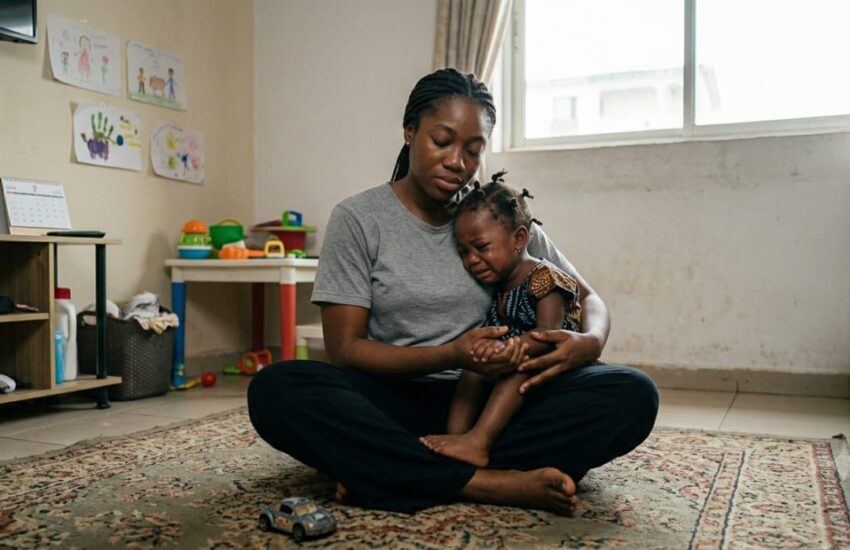
 I thought I knew what kind of parent I would be. Patient, calm, always understanding. I had read the books. I had the strategies. Then my toddler threw a tantrum in the grocery store, and all my carefully planned responses flew out the window. I felt like a failure. I thought I was the only parent who lost their cool. I was wrong.
Parenting is one of the most demanding roles there is. It involves constant physical and emotional labor, often without breaks or recognition. It is also one of the most isolating, especially for new parents. Sleep deprivation, shifting identity, and the weight of responsibility can lead to anxiety, depression, and burnout. I learned that my struggles were not a sign of weakness. They were a sign that I needed support.
The first thing I had to accept was that there is no such thing as a perfect parent. Parenting is not about getting it right all the time. It is about showing up, repairing when you mess up, and learning as you go. I had been holding myself to an impossible standard. I learned to give myself grace.
One of the hardest parts of parenting is managing my own emotions while helping my child manage theirs. I had not learned emotional regulation as a child, so I was trying to teach a skill I did not fully have. Therapy helped me develop regulation skills, which in turn made me calmer and more present with my children. I was not just parenting my child; I was reparenting myself.
Setting boundaries was another challenge. I wanted my child to feel loved, so I struggled to say no. I overextended myself, felt resentful, and then felt guilty for feeling resentful. I learned that boundaries are not rejection. They are protection. Saying no to my child sometimes was saying yes to my own sanity and to the kind of parent I wanted to be.
I also struggled with comparison. I compared my parenting to other parents and found myself lacking. I compared my child to other children and worried they were behind. Comparison was a thief of joy, and it was relentless. I learned to focus on my own family and to trust that each child develops at their own pace.
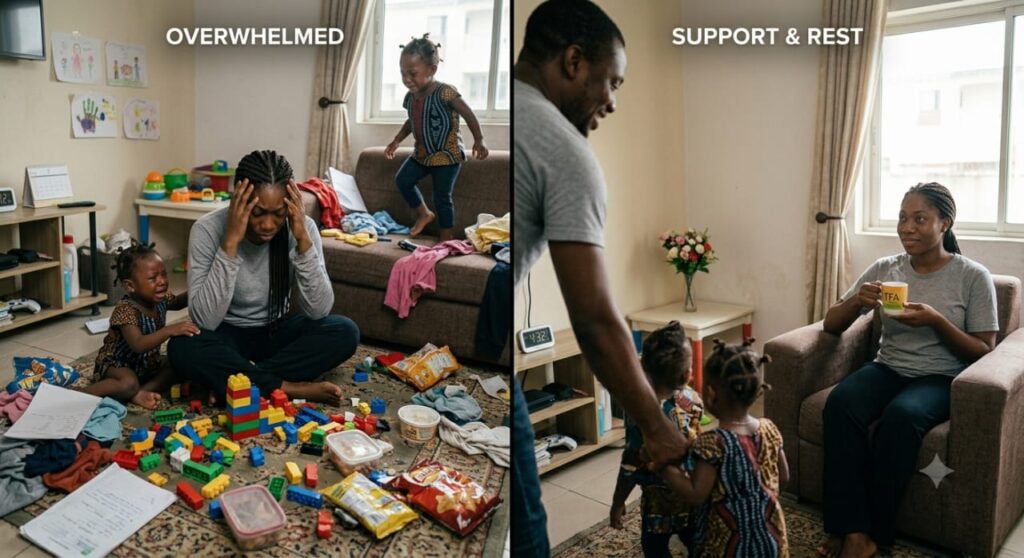
Parental burnout is real. It is characterized by exhaustion, detachment, and loss of fulfillment. I was running on empty and did not even realize it. I learned to prioritize rest, ask for help, and accept that I could not do it all alone. I started taking small breaks just for myself, and those breaks made me a better parent.
The mental load of parenting is often invisible but crushing. Remembering appointments, packing lunches, managing schedules, anticipating needs. It is constant and unrelenting. I learned to share the load with my partner and to delegate tasks without guilt. I also learned to lower my expectations of what a “good” parent does in a day.
If you are struggling, know that you are not alone and you are not failing. Parenting is hard, and it is okay to need help. Talk to a therapist. Join a support group. Share your struggles with a trusted friend. Taking care of yourself is not selfish. It is necessary.
There is so much more to learn about navigating the challenges of parenting. Our website is filled with articles on emotional regulation, boundary setting, and finding support. Head over and explore, because you deserve to feel supported and capable.
References
American Academy of Pediatrics. (2024, February 13). *The “perfect” parent myth*. HealthyChildren.org.
The Gentle Counsellor. (2023, October 11). *The myth of the perfect parent*.
Psychology Today. (2025, January 26). *The perils of having a “perfect” parent*.
FamilyLife. (n.d.). *No perfect parents*.
Zondervan. (n.d.). *No perfect parents: Ditch expectations, embrace reality, and discover the one secret that will change your parenting*.