 Posted by
 My cousin had tried everything to stop using methamphetamine. Twelve-step programs. Intensive outpatient treatment. Residential rehab. Nothing stuck. He’d stay clean for a few weeks, then relapse, then spiral into shame. The cycle was exhausting for everyone.
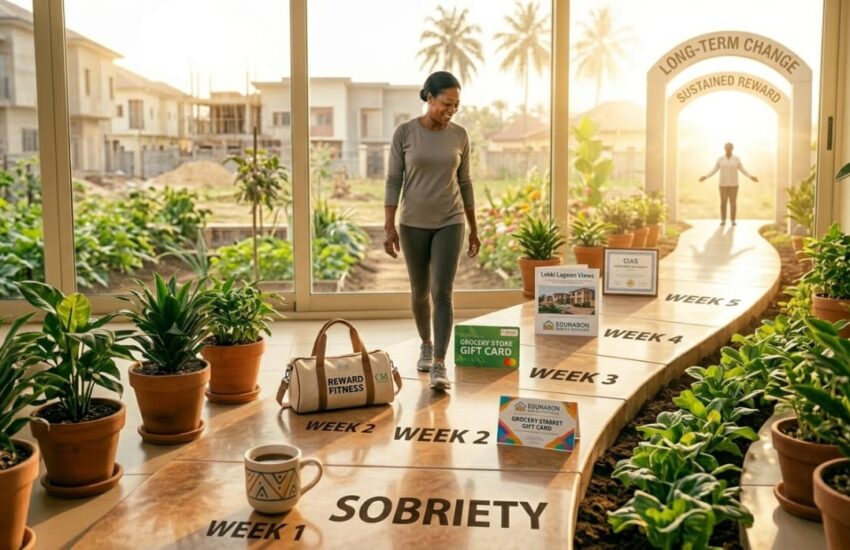
Then he enrolled in a program using contingency management. I was skeptical. The approach seemed almost too simple: he earned vouchers for negative drug tests. Clean test, small reward. More clean tests, bigger rewards. He could exchange vouchers for retail items, gym memberships, or grocery store gift cards.
I thought it sounded like bribing an adult. But the research is overwhelming. Contingency management is one of the most effective treatments for stimulant use disorders like cocaine and methamphetamine. It also works for alcohol, marijuana, and opioids. The approach taps into a basic behavioral principle: immediately rewarded behaviors are repeated.
The first week was hard. My cousin wanted to use it constantly. But he also wanted the vouchers. He white-knuckled through, tested clean, and earned his first small reward. A coffee shop gift card. It seemed trivial, but the immediate reinforcement mattered. His brain started connecting sobriety with a tangible payoff.

Traditional treatment often relies on delayed rewards. Stay clean for months, and your life will improve. That’s true, but it’s abstract and far away. Contingency management offers something concrete and immediate. A voucher today. A small prize now. That immediacy is especially powerful for people whose brains have been hijacked by substances that provide instant dopamine hits.
By week three, my cousin was testing clean consistently. His voucher balance grew. He saved up for a gym membership. The exercise helped his mood and cravings. Positive reinforcement created a positive spiral. Sobriety led to rewards. Rewards supported healthier habits. Healthier habits made sobriety easier.
One criticism of contingency management is that rewards aren’t sustainable forever. True. Most programs last twelve to twenty-four weeks. But research shows that the skills and habits built during that time often persist. My cousin continued testing clean after the vouchers ended. The program had given him enough clean time to let his brain heal and to experience the natural rewards of sobriety.
Contingency management also reduced the shame cycle. In abstinence-only models, a single relapse often means starting over. All progress is lost. The shame triggers more use. Contingency management treats relapse as information, not failure. My cousin had a few positive tests during his program. He didn’t get kicked out. He didn’t lose all his progress. He just didn’t earn a voucher that week. He started the next week again without the crushing weight of shame. The approach works for alcohol, too. One study gave patients the chance to win cash prizes for breathalyzer tests negative for alcohol. Participants in the contingency group had significantly longer periods of sobriety than those who received standard care alone.
For opioids, contingency management is often combined with medication-assisted treatment like buprenorphine. The medication reduces cravings. The vouchers reinforce medication adherence and abstinence from illicit opioids. Together, they’re more effective than either approach alone. Contingency management isn’t available everywhere. Some critics call it bribery. Some insurance plans won’t cover it. But the evidence is clear. When used for stimulant use disorders, it’s one of the few treatments with consistently strong results.
My cousin has been clean for two years now. He still attends a support group. He still works with a therapist. But the voucher program gave him the initial runway he needed. It broke the shame-relapse-shame cycle. It showed him that sobriety could come with rewards, not just deprivation.
If you or someone you love is struggling with substance use, ask about contingency management. Not all programs offer it. Not all therapists know about it. But finding one that does could make the difference. Sometimes, the path to healing looks less like a dramatic intervention and more like earning a small reward for one clean day at a time.
There’s so much more to learn about evidence-based addiction treatment. Our website is filled with articles on contingency management, medication-assisted treatment, and supporting recovery. Head over and explore, because every clean test is a step toward a new life.
References
National Institute on Drug Abuse. (2019). *Contingency management for substance use disorders*. https://www.ncbi.nlm.nih.gov/books/NBK72392/
Higgins, S. T., et al. (2018). Contingency management for substance use disorders. *Addiction Science & Clinical Practice, 13*(1), 11. https://pmc.ncbi.nlm.nih.gov/articles/PMC6513264/
National Institute of Mental Health / U.S. Department of Health and Human Services. (2023). *Contingency management for substance use disorders: Enhancing access, quality, and program integrity*. ASPE. https://aspe.hhs.gov/reports/contingency-management-treatment-suds
National Institute of Mental Health. (2024). *Contingency Management for the Treatment of Substance Use Disorders – A report to Congress*. https://www.ncbi.nlm.nih.gov/books/NBK606623/
Recovery Research Institute. (2019, June 16). *Contingency Management (CM)*. https://www.recoveryanswers.org/resource/contingency-management/