 Posted by
 My brother had been through rehab four times. Each time, he left determined to be completely abstinent. Each time, he relapsed within weeks. The shame spiral was brutal. He’d stop using, slip once, then tell himself he’d failed completely and disappear into weeks of heavy use. All or nothing. Nothing won every time.
Then he found a therapist who practiced harm reduction. The approach was different from anything he’d tried. The goal wasn’t immediate abstinence. The goal was reducing the negative consequences of his use. Less frequent use. Safer use. Staying alive until he was ready for more.
Harm reduction therapy is grounded in a simple belief: any reduction in harm is a success. It meets people where they are, not where we wish they were. For my brother, that meant not shaming him when he used. Not kicking him out of treatment for a positive drug test. Not demanding perfection.
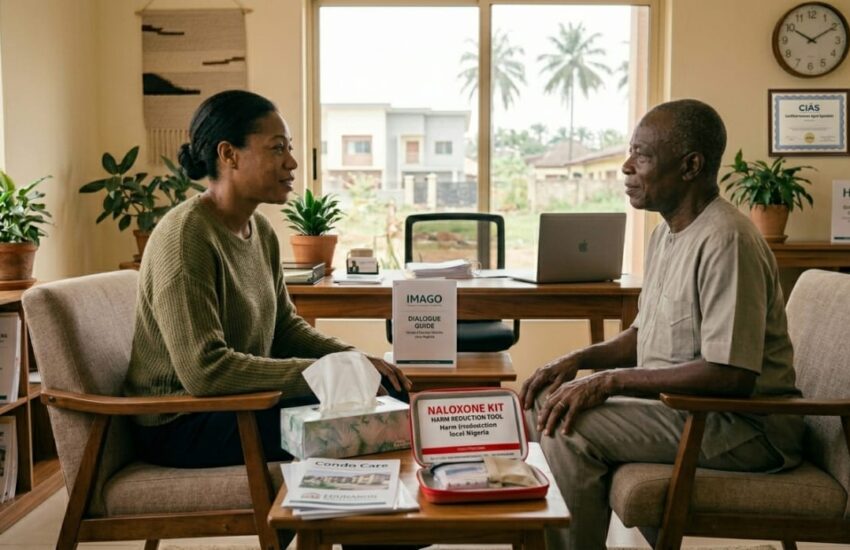
Instead, his therapist asked practical questions. “When you do use, how much? How often? What’s your overdose risk? Do you use alone?” They made a safety plan. Never use alone. Carry naloxone. Test a small amount first. These weren’t permission to use. They were permission to stay alive.
The first small goal was using less often. Not stopping completely. Just longer breaks between uses. He went from daily to every other day. That felt like failure to him at first. His therapist called it progress. Because it was. Less use meant less risk, even if it wasn’t zero.
Next, they looked at his using environment. He’d been injecting alone in a locked bathroom. If he overdosed, no one would find him in time. His therapist helped him practice using where someone was nearby. He hated it at first. Felt watched. Judged. But he stayed alive.
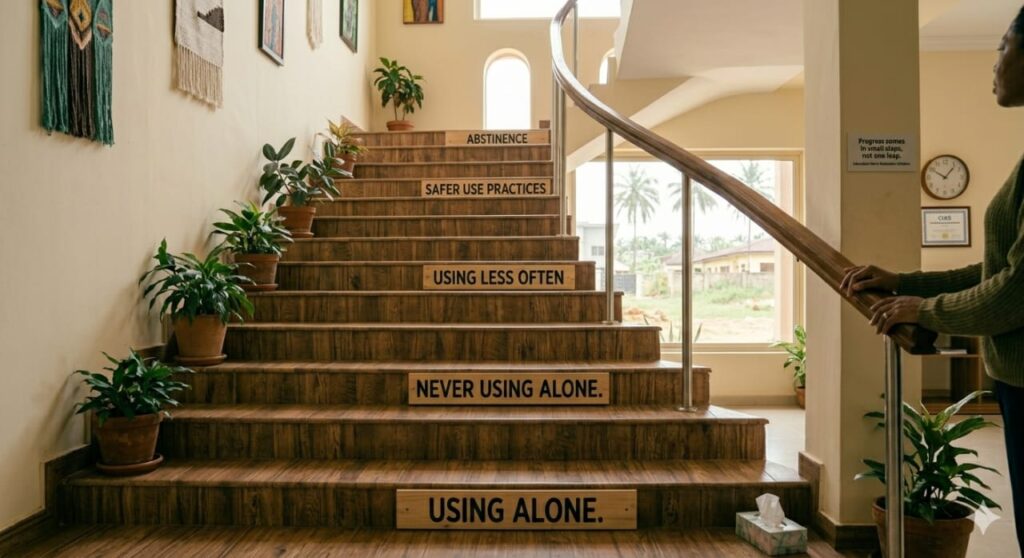
They also addressed the shame. Abstinence-only treatment had taught him that any use meant total failure. Harm reduction taught him that a slip was information, not a catastrophe. He could use once, learn from what triggered it, and try again. The shame spiral started to loosen.
Overdose prevention was the most literal life-saver. His therapist connected him with a naloxone training. He carried it everywhere. He also started fentanyl testing his supply. That awareness alone probably saved his life more than once.
Harm reduction also meant addressing his other health needs without requiring abstinence first. He got hepatitis C treatment while still using. He got stable housing without a sobriety requirement. He saw a psychiatrist for his underlying depression. These services didn’t enable his use. They kept him healthy enough to eventually consider stopping.
The shift took years, not weeks. Relapses continued, but they were shorter and less dangerous. His periods of sobriety lengthened. He started coming to family dinners again. He held a job. He wasn’t where I wanted him to be, but he wasn’t dead. That’s not failure. That’s progress.
After three years in harm reduction therapy, he decided he wanted to stop entirely. Not because someone demanded it, but because he was ready. His therapist supported that goal too. They used the same skills, small steps, self-compassion, relapse as information, to move toward abstinence. This time, it stuck. If you love someone with a substance use disorder, harm reduction can be hard to accept. You want them to stop completely. You fear that anything less is enabling. But the evidence is clear.
Harm reduction saves lives. It reduces HIV and hepatitis transmission. It connects people to care. And for many, it’s the path to eventual abstinence, the path my brother took. Harm reduction isn’t giving up. It’s giving someone the chance to stay alive long enough to choose recovery.
There’s so much more to learn about compassionate approaches to substance use. Our website is filled with articles on harm reduction, overdose prevention, and supporting loved ones. Head over and explore, because every life saved is worth celebrating.
References
Little, J. N. (2016). Harm reduction therapy: A practice-friendly review of research. *Journal of Clinical Psychology: In Session, 72*(12), 1199–1213. https://pmc.ncbi.nlm.nih.gov/articles/PMC3928290/
National Center for Biotechnology Information. (2021). *Chapter 3—Counseling approaches for promoting harm reduction and preventing recurrence*. In *Motivational enhancement therapy and alcohol counseling*. https://www.ncbi.nlm.nih.gov/books/NBK601490
Recovery Research Institute. (2025, October 13). *Harm reduction*. https://www.recoveryanswers.org/resource/drug-and-alcohol-harm-reduction/
Harm Reduction International. (2025, January 20). *What is harm reduction?*. https://hri.global/what-is-harm-reduction/
World Health Organization Eastern Mediterranean Region. (2026, May 13). *Drug-related harm reduction*. https://www.emro.who.int/asd/health-topics/drug-related-harm-reduction.html