

 Posted by
 I spent five years being exhausted. Not the cute kind of exhausted that a weekend nap can fix. The soul-level exhaustion that follows you into every moment, that makes simple conversations feel like marathons, that turns your brain into a foggy mess by three in the afternoon.
I tried everything. Melatonin, valerian root, CBD oil, white noise machines, blackout curtains, no screens before bed, warm milk, cold rooms, hot baths, and enough sleep hygiene articles to wallpaper my bedroom. Nothing worked.
The problem, I eventually learned, was that I was treating symptoms while ignoring the cause. My insomnia wasn’t a melatonin deficiency. It wasn’t a problem with my sleep environment. It was a problem with my brain, the way it raced at night, the anxiety that spiked the moment my head hit the pillow, the catastrophic thoughts that turned 3 AM into a horror show of worst-case scenarios. That’s when I discovered that therapy for insomnia could help me sleep better by addressing what was actually keeping me awake.
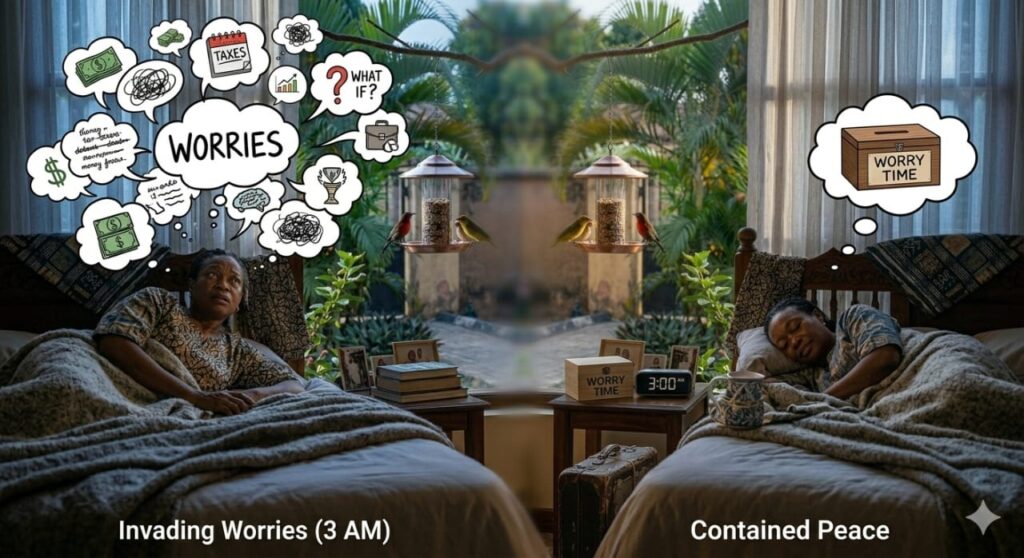
Let me start with what insomnia actually is, because I didn’t understand it until my therapist explained it. Insomnia isn’t just difficulty falling asleep. It’s a hyperarousal disorder, your brain and body stuck in a state of high alert when they should be powering down. For me, bedtime wasn’t a peaceful transition. It was when my brain finally had silence to process every worry, every regret, every fear I’d successfully suppressed during the busy day. No wonder I couldn’t sleep. My brain was treating bedtime like a threat.
The first-line psychological treatment for insomnia is something called CBT-I, Cognitive Behavioral Therapy for Insomnia. It sounds fancy, but it’s really just a structured approach to untangling the mental and behavioral knots that keep you awake. And it worked for me when nothing else did.
The cognitive part addresses the thoughts that fuel insomnia. I had plenty. “If I don’t fall asleep right now, I’ll be a wreck tomorrow.” “I’ve been lying here for an hour, something must be wrong with me.” “I’ll never be able to function if I don’t get eight hours.” These thoughts created anxiety, and anxiety creates adrenaline, and adrenaline is the opposite of sleep.
My therapist taught me to recognize these thoughts, question them, and replace them with something more realistic. “Even if I don’t sleep well, I can still get through tomorrow.” “My body knows how to sleep; I just need to get out of its way.”
The behavioral part was harder but more effective. We worked on something called sleep restriction, which sounds counterintuitive. You mean I’m not sleeping enough, and you want me to spend less time in bed? Yes. Because I’d developed the habit of lying awake for hours, and my brain had learned to associate bed with frustration, not rest. By limiting time in bed to actual sleep time, then gradually expanding it as sleep improved, I rebuilt that association. Bed became a place for sleeping, not for worrying.
Stimulus control was another behavioral tool. The rule: bed is for sleep and sex only. No reading, no scrolling, no watching TV, no lying awake worrying. If you’re not asleep after twenty minutes, get up. Leave the bedroom. Do something boring in low light until you feel sleepy, then try again. This was brutal at first. Getting up felt like admitting defeat. But it worked because it broke the connection between bed and wakefulness.
Paradoxical intention sounds like a cruel joke: try to stay awake. For people like me who lay there desperately willing sleep to come, the effort itself creates arousal. My therapist had me practice letting go of the effort. “Your job isn’t to make yourself sleep,” she said. “Your job is to create the conditions for sleep and then get out of your own way.” This shift from effort to acceptance reduced the performance anxiety that made falling asleep feel like a test I kept failing.
We also addressed the anxiety that fueled my insomnia. For me, nighttime was when my brain ran free with worries, work, relationships, health, all of it. My therapist taught me scheduled worry time. During the day, I set aside twenty minutes to worry intentionally, writing down everything on my mind. When worries came at night, I reminded myself I’d already worried about that today and could pick it up again tomorrow. This containment strategy reduced the nighttime flood.
Relaxation training gave me tools to calm my nervous system at bedtime. Progressive muscle relaxation, where you systematically tense and release each muscle group. Guided imagery, where you imagine a peaceful scene in detail. Breathing techniques that slow the heart rate. These weren’t just nice-to-haves; they were skills I could use when my body was wired but my mind wanted rest.
The timeline surprised me. I expected overnight transformation, one good session and suddenly sleep would come easily. Instead, improvement was gradual. A few more minutes of sleep here, a less anxious bedtime there. My therapist warned me that setbacks would happen, and they did. Bad nights, bad weeks. But the trend was positive, and knowing that recovery isn’t linear kept me from despairing when sleep temporarily worsened.
What therapy didn’t do was make sleep perfect. I still have restless nights. Stress still affects me. But now I have tools, not just hope. When I notice the old patterns starting, the racing thoughts, the anxiety about sleep itself, I know what to do. I get out of bed and read something boring. I challenge the catastrophic thoughts. I remind myself that my body knows how to sleep and I just need to get out of its way.
If you’re struggling with insomnia, you’ve probably tried the sleep hygiene lists. They’re not wrong, but they’re often not enough for people whose insomnia has become entrenched. Therapy addresses the root, the thoughts, behaviors, and anxiety that keep the cycle going. It’s not quick or easy, but it’s effective. The research is clear: CBT-I works as well or better than medication, and the benefits last long after therapy ends.
I still think about those five years of exhaustion with a mix of sadness and gratitude. Sadness for the time I lost, the energy I didn’t have, the person I couldn’t fully be. Gratitude that I finally found something that worked, not a pill that masked the symptoms, but a process that addressed the cause.
If you’re lying awake tonight, staring at the ceiling, wondering if you’ll ever sleep normally again, please know this: help exists. Therapy for insomnia can help you sleep better, not by forcing sleep but by removing the barriers that stand in its way. You don’t have to figure this out alone. And on the other side of this work, there’s rest waiting, real rest, the kind that heals.
There’s so much more to learn about sleep, mental health, and the connections between them. Our website is filled with articles exploring these topics and more. Head over and discover resources that can support you on your journey to better rest, because everyone deserves to wake up feeling human again.
References
Wu, J. Q., et al. (2015). *Insomnia: Evidence-based approaches to assessment and management*. *Australian Prescriber, 38*(4), 125–129. https://doi.org/10.18773/austprescr.2015.039
Trauer, J. M., et al. (2015). *Cognitive behavioral therapy for chronic insomnia: A systematic review and meta-analysis*. *Annals of Internal Medicine, 163*(3), 191–204. https://doi.org/10.7326/M14-2841
Sleep Foundation. (2025, July 9). *Cognitive behavioral therapy for insomnia (CBT-I): An overview*. Retrieved from https://www.sleepfoundation.org/insomnia/treatment/cognitive