
 Posted by
 Explore the foundations of psychoanalytic therapy and its focus on the unconscious mind. Learn how early experiences, defense mechanisms, and the therapeutic relationship drive this deep form of talk therapy. In the landscape of modern therapy, with its focus on quick techniques and measurable outcomes, psychoanalytic therapy stands as the original deep dive.
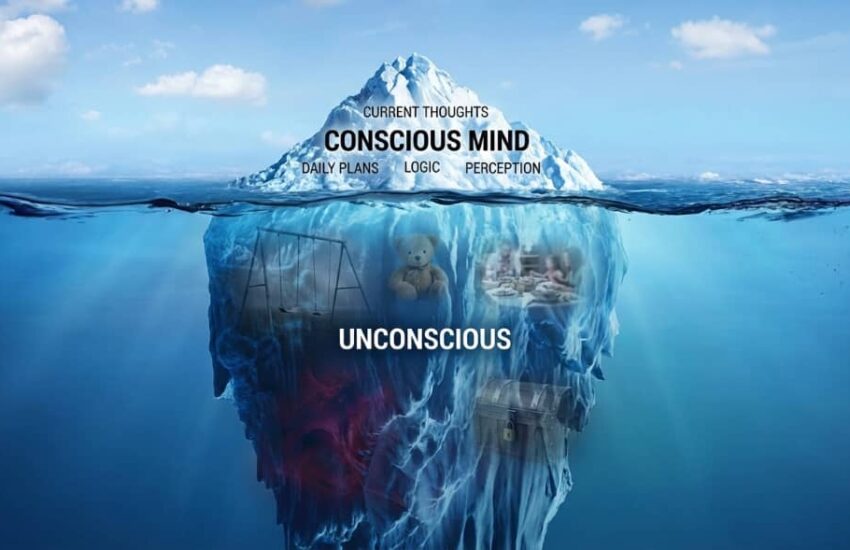
Pioneered by Sigmund Freud and vastly expanded by others, it operates on a core, radical premise: the majority of our mental life is unconscious. Our conscious thoughts, feelings, and choices are merely the visible tip of an iceberg, with the vast, submerged structure shaped by primal drives, forgotten childhood experiences, and internal conflicts we’ve repressed.
While its classic imagery of the couch and the silent analyst may seem outdated, the psychoanalytic framework offers a profound and enduring understanding of human suffering, proposing that lasting change requires bringing these hidden forces into the light of awareness.
The journey in psychoanalytic therapy is an exploration of this unconscious terrain, to make the unknown known. The therapist and patient work to uncover how early life experiences, especially those within formative family relationships, have created enduring patterns, or internal conflicts, that manifest in adult life as symptoms like anxiety, depression, or relationship difficulties.
A key focus is on defense mechanisms, the unconscious psychological strategies (like repression, denial, projection) we use to protect ourselves from overwhelming thoughts or feelings. While initially protective, these rigid defenses can become the source of problems, limiting our emotional flexibility and trapping us in maladaptive patterns. Therapy becomes a process of identifying and understanding these defenses to reduce their unconscious control.
The engine of this exploration is the unique nature of the therapeutic relationship itself. Psychoanalytic therapists often use techniques like free association (saying whatever comes to mind without censorship) and pay close attention to dreams and slips of the tongue (“Freudian slips”), viewing them as “royal roads” to the unconscious.
Perhaps most central is the concept of transference, where the patient unconsciously redirects feelings and expectations from past important figures (like a parent) onto the therapist. By observing and interpreting this transference within the safe, bounded therapeutic space, the patient gains direct, emotional insight into their relational patterns. The therapist’s relative neutrality and anonymity are deliberate, creating a “blank screen” upon which these internal dynamics can be projected and examined.
This is a demanding, long-term process. Traditional psychoanalysis may involve multiple sessions per week over years, though modern psychodynamic therapy (a derivative) is often more flexible and shorter-term. The work is not about quick fixes or symptom management, but about structural change, fundamentally altering the underlying personality organization and resolving deep-seated conflicts.
Success is measured in increased self-awareness, greater emotional freedom, more satisfying relationships, and a stronger, more integrated sense of self. It is for those asking not just “How do I stop feeling anxious?” but “*Why* do I organize my world in a way that creates this anxiety?”
While its methods have evolved, the legacy of psychoanalytic thought is immense. It gifted psychology the foundational concepts of the unconscious, defense mechanisms, and the significance of childhood. It reminds us that our present struggles have a history and a meaning.
In today’s therapeutic world, a modern psychodynamic approach integrates this depth-oriented perspective with contemporary understandings, focusing on the therapeutic relationship as a healing agent and the patient’s narrative as a key to unlocking a freer, more authentic life. It argues that to truly understand ourselves, we must be willing to explore the rich, complex, and often hidden stories that have shaped who we are.
References
Freud, S. (1915). *The unconscious*. Standard Edition, 14, 159-215. Hogarth Press. (Introduces the structural model of id, ego, superego and repression dynamics)
Freud, S. (1900). *The interpretation of dreams*. Basic Books. https://doi.org/10.1037/10587-000 (Establishes dreams as the “royal road to the unconscious”)
Shedler, J. (2010). The efficacy of psychodynamic psychotherapy. *American Psychologist, 65*(2), 98-109. https://doi.org/10.1037/a0018378
National Center for Biotechnology Information. (2023). *Psychoanalytic psychotherapy*. StatPearls. Retrieved from https://www.ncbi.nlm.nih.gov/books/NBK589708/
McLeod, S. (2025). *Psychoanalytic therapy*. Simply Psychology. Retrieved from https://www.simplypsychology.org/psychoanalysis.html