
 Posted by
 The gray months always arrived with a heaviness I couldn’t shake. My energy would drain away, my sleep felt unsatisfying, and a general sense of gloom settled in like an unwelcome guest. I dismissed it as winter blues until a doctor explained it was Seasonal Affective Disorder, a type of depression with a biological basis tied to reduced sunlight. She recommended a simple yet powerful tool that seemed almost too straightforward to work bright light therapy. Skeptical but desperate, I decided to try it. That decision marked a turning point in how I navigate the darker seasons, transforming my winters from a time of endurance into a period of genuine well-being.
Seasonal Affective Disorder is more than just a case of the winter blues; it is a clinically recognized form of depression that follows a seasonal pattern, typically emerging in the fall and winter when daylight hours shorten. Learn how bright light therapy can effectively treat Seasonal Affective Disorder (SAD). Learn about proper usage, benefits, and how this light-based treatment can lift your mood during darker months. The reduced exposure to natural sunlight is believed to disrupt two key biological processes in our bodies. First, it can shift our circadian rhythm, our internal biological clock that regulates sleep, mood, and appetite. This misalignment makes us feel out of sync, leading to fatigue and low energy. Second, it can cause a drop in serotonin, a neurotransmitter that significantly influences mood. For many, bright light therapy directly addresses these root causes, offering a non-invasive and effective treatment option.
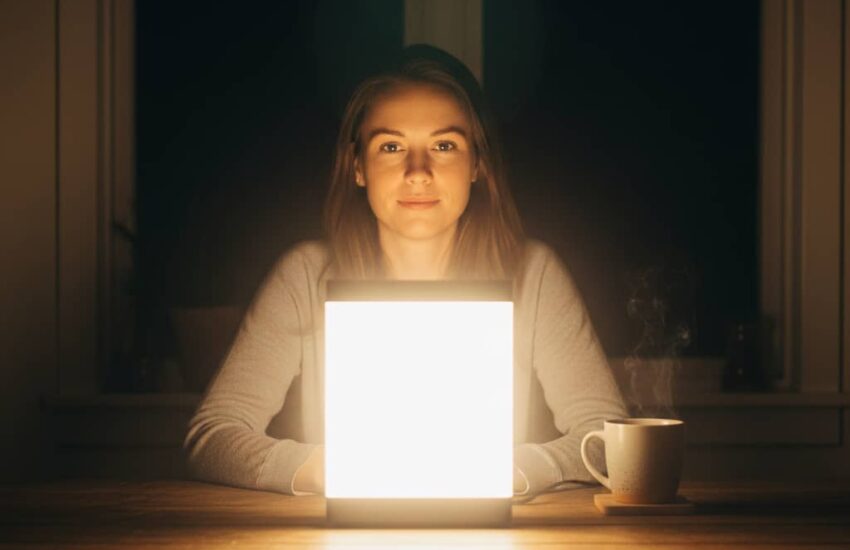
A bright light therapy box is designed to mimic outdoor sunlight. Sitting in front of one of these devices for a recommended twenty to thirty minutes each morning exposes you to a powerful, full-spectrum light that is significantly brighter than ordinary indoor lighting. The key is its intensity, measured in lux. Most therapy boxes provide 10,000 lux, the level considered the therapeutic gold standard. This intense light exposure, particularly through the eyes, signals the brain to suppress the production of melatonin, the hormone that makes us feel sleepy, and helps regulate the body’s circadian rhythm back to its proper setting. Simultaneously, it is believed to boost serotonin activity, helping to elevate and stabilize mood. The effect is a biological reset, telling your body it is a bright, sunny morning, even if it is still dark outside.
Using a light box correctly is essential for both safety and effectiveness. Position the device about sixteen to twenty-four inches from your face, typically on a table at an angle where you can glance toward it periodically without staring directly into the light. You can read, eat breakfast, or work on a computer during your session, making it easy to incorporate into your morning routine. Consistency and timing are critical. Morning use is most effective because it helps cement your wake-up time and energizes you for the day ahead. Using it too late in the day can potentially interfere with your sleep. While generally safe, it is important to be aware of potential side effects, which are usually mild and temporary. These can include eyestrain, headache, or feeling restless. Individuals with certain eye conditions or bipolar disorder should consult their doctor before starting light therapy.
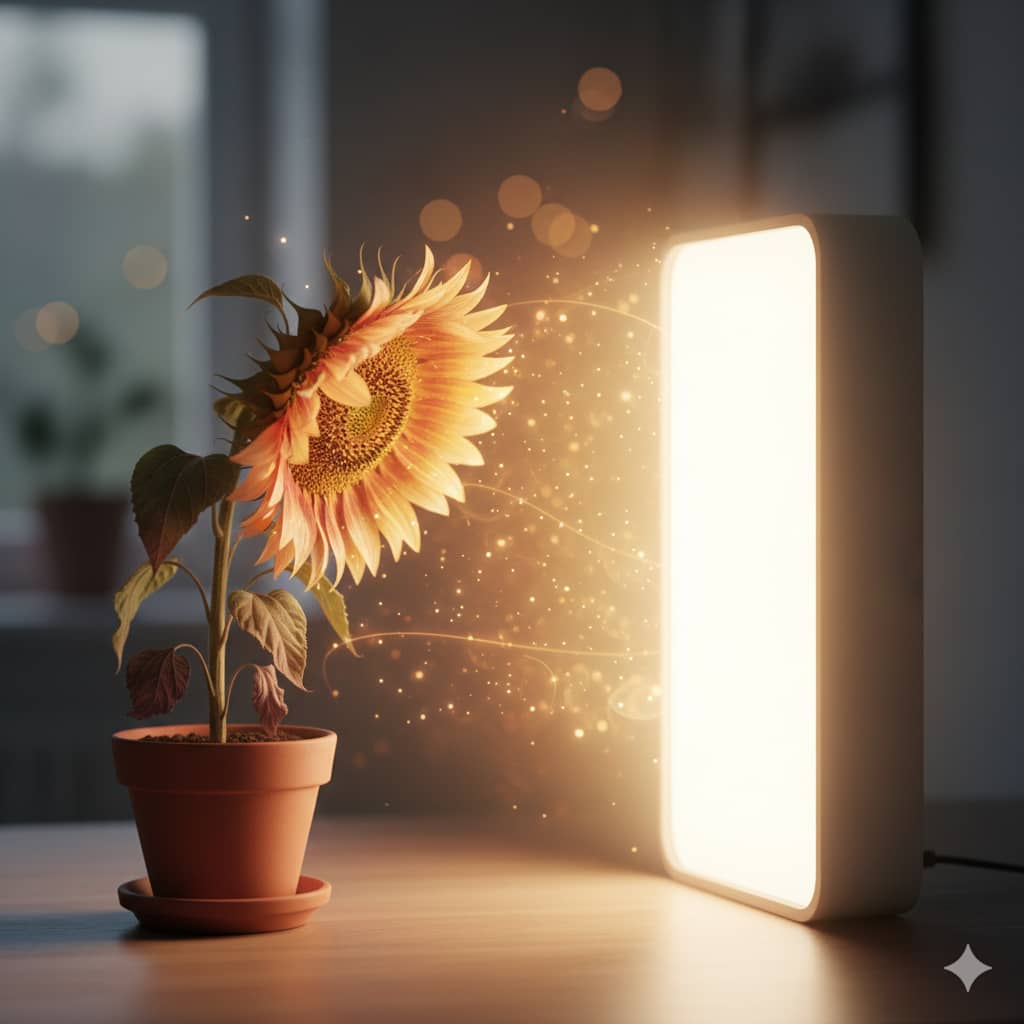
The benefits of committing to a daily routine can be profound. Many users, including myself, report a significant lift in mood, a noticeable increase in energy levels, and an improved ability to focus within just a few days to two weeks of consistent use. It feels like a fog has lifted, allowing you to engage with life more fully during the winter months. While bright light therapy is a powerful standalone treatment for many, it can also be effectively combined with other approaches. Cognitive-behavioral therapy, regular exercise, and a mindful diet all work synergistically with light therapy to combat the symptoms of SAD. For some, a doctor may also recommend vitamin D supplementation, as levels often drop during sun-deprived months.
My light box now has a permanent place on my kitchen counter from October through April. It is no longer a treatment device but a trusted part of my daily ritual, as essential as my morning coffee. It serves as a daily reminder that my well-being is a priority and that I have an active tool to manage my mental health. Bright light therapy demystified my winter depression, showing me it was a biological condition with a practical, accessible solution. It gave me back a sense of control and allowed me to rediscover the quiet beauty and potential of the colder seasons, no longer as a prisoner to the dark, but as someone equipped to find the light within it.
References
Golden, R. N., Gaynes, B. N., Ekstrom, R. D., et al. (2005). The efficacy of light therapy in the treatment of mood disorders: A review and meta-analysis of the evidence. *American Journal of Psychiatry*, 162(4), 656-662. https://doi.org/10.1176/appi.ajp.162.4.656
National Institute of Mental Health. (2021). Seasonal affective disorder (SAD). Retrieved from https://www.nimh.nih.gov/health/topics/seasonal-affective-disorder
Lam, R. W., Levitt, A. J., Levitan, R. D., et al. (2006). The Can-SAD study: A randomized controlled trial of the effectiveness of light therapy and fluoxetine in patients with winter seasonal affective disorder. *American Journal of Psychiatry*, 163(5), 805-812. https://doi.org/10.1176/ajp.2006.163.5.805
Mayo Clinic Staff. (2023). Seasonal affective disorder: Diagnosis and treatment. Mayo Clinic. https://www.mayoclinic.org/diseases-conditions/seasonal-affective-disorder/diagnosis-treatment/drc-20364651
American Psychiatric Association. (2022). Practice guideline for the treatment of patients with major depressive disorder, 3rd edition. *American Journal of Psychiatry*, 178(9), 826-864. https://doi.org/10.1176/appi.ajp.2021.21090958
.