
 Posted by
 I could not get out of bed. That was the truth of my depression. The alarm would ring, and my body would feel like it was filled with sand. I had tried medication. I had tried talk therapy. Both helped, but neither touched the heaviness that settled into my bones every morning. A friend suggested I try something different. She said I needed to get my hands dirty. I thought she was being metaphorical. She was not.
Horticultural therapy is the clinical use of plants and gardening activities to achieve therapeutic goals. It is not just puttering in the yard. It is a structured, evidence-based practice delivered by trained therapists who use plant-related activities to address specific mental health conditions. For depression, it works on multiple levels at once. It gets the body moving. It exposes the brain to natural light. It creates a sense of purpose. And it connects the person to something alive.
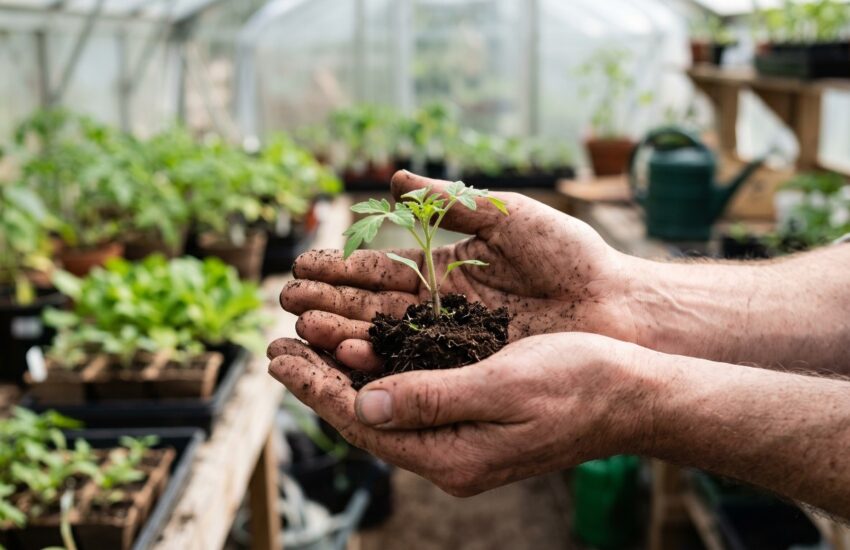
My first session took place in a small greenhouse behind a community center. The therapist handed me a tray of seedlings and a pot filled with soil. She asked me to transplant them. I did not want to. I did not care about seedlings. But I did it anyway. I pressed my fingers into the damp earth. I felt the coolness. I smelled the richness. I placed each tiny plant into its new home and patted the soil around its roots. When I finished, I looked at the tray and felt something I had not felt in weeks. A small sense of accomplishment.
That was the beginning. Over the following months, I attended weekly sessions. We planted seeds. We watered. We pruned. We talked about what we were growing and what we were feeling. The therapist did not force conversation. She let the plants do the work. When I was quiet, she was quiet. When I wanted to talk, she listened. The garden became a safe place. It did not judge me. It did not demand anything from me. It just grew.
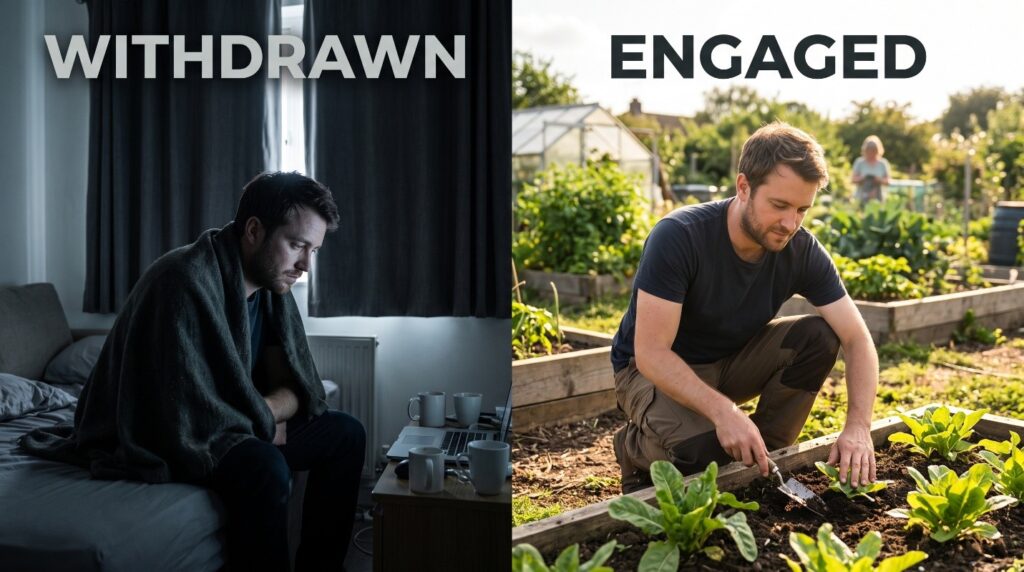
The research supports what I experienced. Horticultural therapy has been shown to reduce symptoms of depression, anxiety, and stress. It improves mood, self-esteem, and social connection. It works because it engages all the senses. It works because it requires physical movement without being intimidating. It works because it creates a relationship with living things that need care. When you are depressed, it is easy to believe you have nothing to offer. A plant that depends on you disproves that lie.
I learned to notice small things. The first green shoot. The first bud. The first flower. Those small moments of beauty became anchors. They gave me a reason to get up in the morning. They gave me something to look forward to. They gave me evidence that life continues, even when it feels like it should not.
I also learned that the garden is a place of imperfection. Some plants die. Some seeds do not sprout. Weeds grow where we do not want them. That is not failure. That is nature. Learning to accept the imperfections of the garden helped me accept the imperfections of my own life. I did not have to be perfect to be worthy. I just had to keep showing up.
Horticultural therapy did not cure my depression. Depression is not something you cure. It is something you manage. But it gave me tools. It gave me a reason to leave the house. It gave me sunlight and movement and purpose. It gave me a relationship with something living that needed me. And sometimes, that is enough to keep going.
If you are struggling with depression, consider getting your hands dirty. You do not need a green thumb. You do not need a big yard. A single pot of herbs on a windowsill can be a start. The act of caring for something living can remind you that you are living too.
References
1.Kuo, Y.-Z., Yu, Z.-S., Li, Y.-Z., Chen, M.-D., Lee, Y.-W., Lin, P.-Y., Chen, T.-T., Hsu, C.-W., & Chen, C.-R. (2025). Efficacy of horticultural therapy on symptoms and functional outcomes in individuals with depressive disorders: A systematic review and meta-analysis of randomized controlled trials. *Complementary Therapies in Medicine*, 103229. [https://doi.org/10.1016/j.ctim.2025.103229](https://doi.org/10.1016/j.ctim.2025.103229)
2. Kotozaki, Y., et al. (2022). The effect of horticultural therapy on depressive symptoms among the elderly: A systematic review and meta-analysis. *Frontiers in Public Health, 10*, 953363. [https://doi.org/10.3389/fpubh.2022.953363](https://doi.org/10.3389/fpubh.2022.953363)
3. Gonzalez, M. T., Hartig, T., Patil, G. G., Martinsen, E. W., & Kirkevold, M. (2010). Therapeutic horticulture in clinical depression: A prospective study of active components. *Journal of Advanced Nursing, 66*(9), 2002–2013. [https://doi.org/10.1111/j.1365-2648.2010.05383.x](https://doi.org/10.1111/j.1365-2648.2010.05383.